BIAS

BIAS, Publication

Pathology of transplanted heart rejection using artificial intelligence-based image analysis of endomyocardial biopsies

Szferle et al. have developed an AI-based pathology workflow to objectively quantify and predict heart transplant rejection from biopsy images . This study, published in the Hungarian medical journal Orvosi Hetilap, centered on optimizing and applying our Biological Image Analysis Software (BIAS) to automatically identify cells and measure key morphological parameters that indicate rejection . The research, involving team members from our company, Single-Cell Technologies, successfully demonstrated that BIAS can quantify parameters like lymphocyte density and proximity to heart muscle cells, which strongly correlate with the severity of graft rejection, offering a new and powerful quantitative tool for pathologists .
BIAS, HallOfFame, SCT

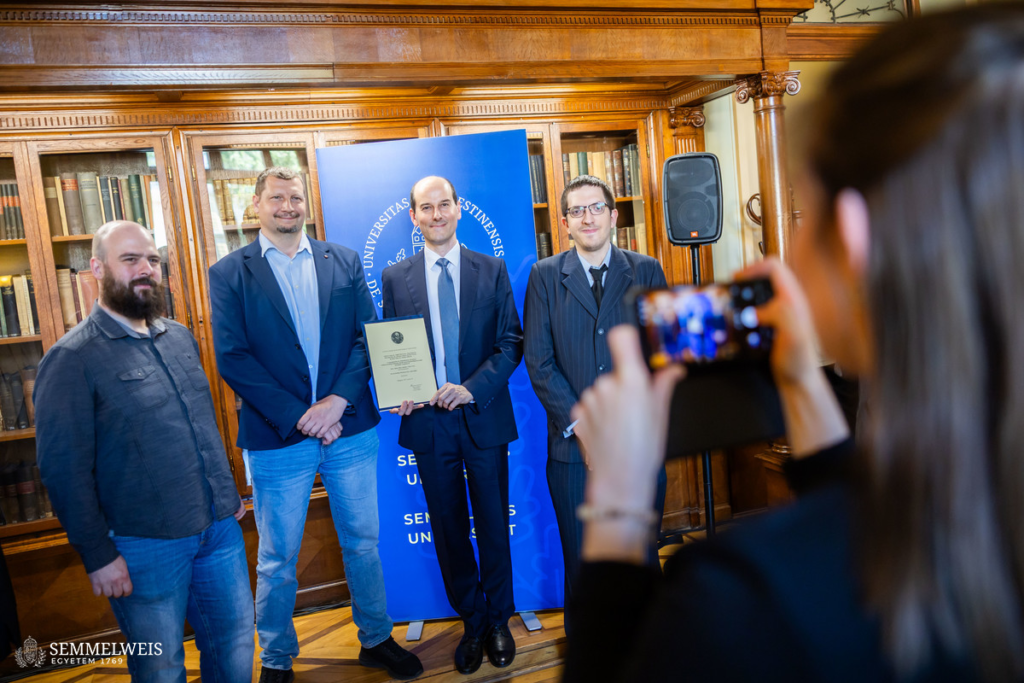
Celebrating the Markusovszky Lajos Prize

We are proud to share that this summer, our collaborative research was honored with the Markusovszky Lajos Prize, awarded by Orvosi Hetilap (Hungarian Medical Journal). The prize recognized the article:

BIAS, SCT

Single-cell Isolation Workshop

We are excited to announce SCT’s first ever multi-day Single-cell Isolation Workshop to be held at the Single Cell Centre, Szeged, Hungary on the November 10-11, 2025.
Registration is free but places are limited, and will remain open until the end of September 2025.

For details and registration, please visit the event webpage.

BIAS, Custom BIAS, Publication

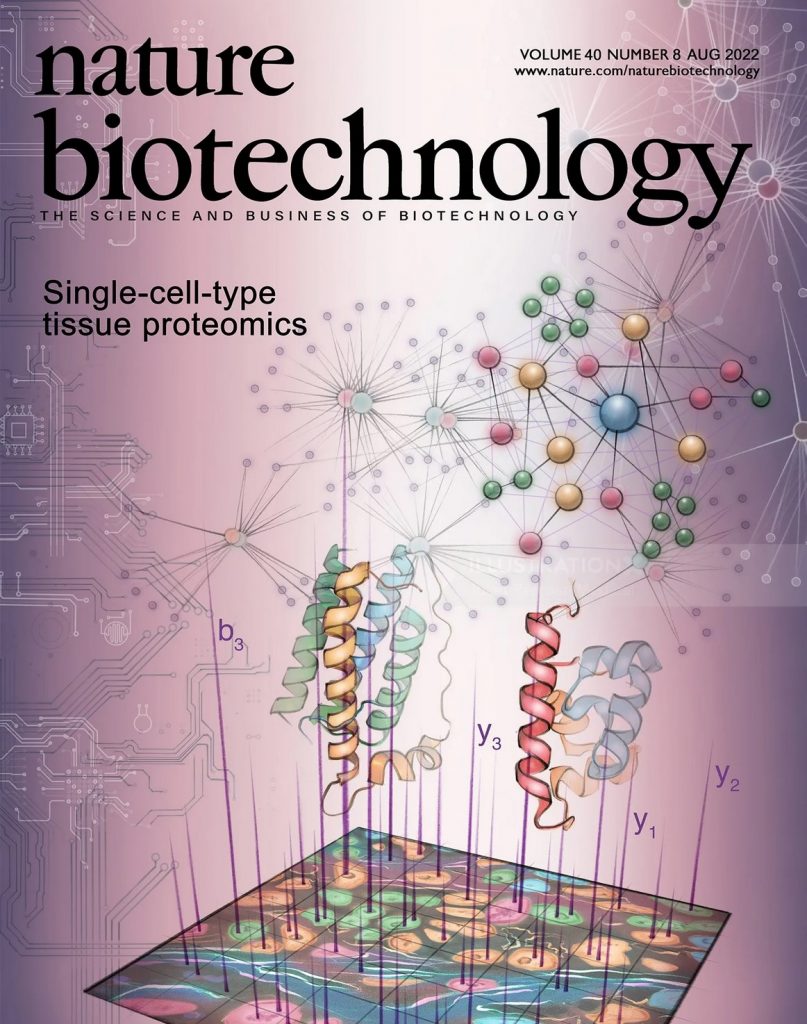
Deep Visual Proteomics defines single-cell identity and heterogeneity

Mund et al. have developed a revolutionary method called Deep Visual Proteomics (DVP), which for the first time, allows for the analysis of thousands of proteins from single cells while keeping their original location in the tissue intact. Our Biological Image Analysis Software (BIAS) was a key component of this research, providing the powerful AI-driven image analysis needed to identify and classify cells for proteomic analysis. This groundbreaking work, published in Nature Biotechnology, opens up new avenues for understanding the molecular details of diseases like cancer.

BIAS, Custom BIAS, Publication

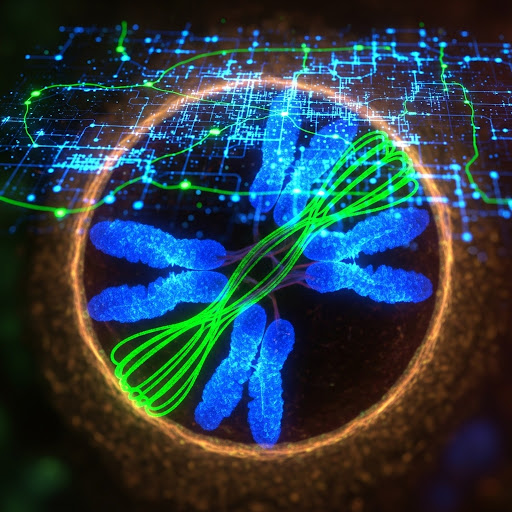
A Morpho-Proteomic Atlas of Mitosis at Sub-Minute Resolution

Ede Migh and his colleagues have created a high-resolution map of protein changes during cell division, providing a detailed look into the molecular machinery of mitosis. This research, currently available as a preprint on bioRxiv, utilized BIAS to perform the sophisticated image analysis required to track these dynamic processes. The study offers a valuable resource for the scientific community, including an interactive online platform, to explore the complex proteomic landscape of mitotic progression.

BIAS, Custom BIAS, Publication

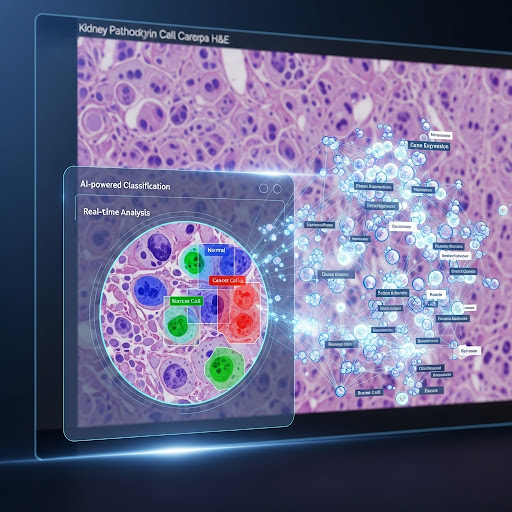
Deep visual multi-omics profiling reveals mechanisms that underlie cancer cell differentiation and aggressiveness in clear cell renal cell carcinoma

Bolck et al. present a novel “Deep Visual Multi-Omics” workflow to characterize the molecular features behind different morphological grades of clear cell renal cell carcinoma (ccRCC). Our Biological Image Analysis Software (BIAS) was a central component of this approach, using artificial intelligence to classify individual cancer cells from pathology slides, which enabled their targeted isolation for deep molecular analysis. This work, available as a preprint, identifies unique molecular signatures of highly aggressive rhabdoid cancer cells, providing a basis for developing new combination therapies.

BIAS, Custom BIAS, Publication

HCS-3DX, a next-generation AI-driven automated 3D-oid high-content screening system

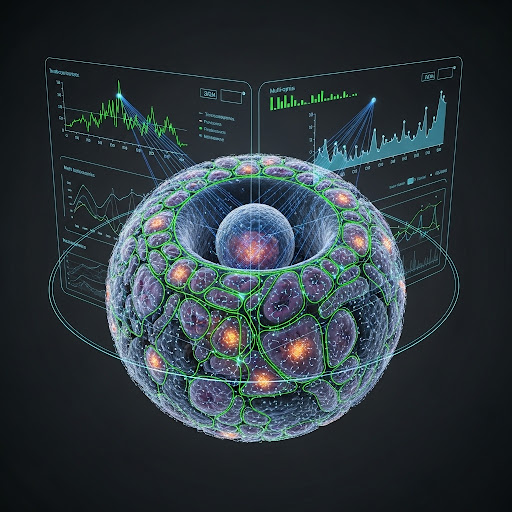
Diosdi et al. introduce HCS-3DX, a next-generation, AI-driven system designed to overcome the challenges of high-content screening in complex 3D cell cultures. This integrated platform, developed in-house at Single-Cell Technologies, leverages our Biological Image Analysis Software (BIAS) to enable precise, single-cell level analysis of spheroids and organoids, paving the way for more accurate drug discovery and personalized medicine.

Scroll to Top